Answers to the questions every parent asks, practical tips for daily life, developmental milestones and trusted product picks.


Jump to any section, or scroll through at your own pace.
01
13 common questions answered
Read →
02
Practical advice for daily mealtimes
Read →
03
What to expect from 6 to 12 months
Read →
04
Signs that warrant professional advice
Read →
05
Trusted product recommendations
Explore →
06
Essential reading and CPR training
Explore →
07
Online support and BLW groups
Explore →
08
Track foods, reactions & progress
Get it →
Quick answers to the questions parents ask most about baby-led weaning.
Most babies are ready from around 6 months. Key signs include sitting upright independently, losing the tongue-thrust reflex, showing interest in food, and having good head control. Always speak to your health visitor before starting.
In the early months, very little food may actually be consumed — and that is completely normal. "Food before one is just for fun" — breast milk or formula remains the primary source of nutrition. Let your baby self-regulate. By 12 months, solid foods gradually become their main nutrition.
This is completely normal — and actually important. Babies learn through exploration. Touching, squishing, and investigating food builds comfort with different textures and is a crucial step on the way to eating.
When done correctly with appropriate foods and constant supervision, BLW is safe. Studies show no increased risk of choking compared to traditional weaning. The key is understanding the difference between gagging (normal) and choking (a medical emergency), correct food preparation, and never leaving your baby unattended. See our Safety guide for full guidance.
Absolutely. Babies have strong gums that can mash soft foods effectively. Most babies don't cut their first teeth until 8–10 months or later, yet BLW works perfectly well. The test: if you can squish the food between your fingers, it is soft enough for your baby's gums.
Gagging is a normal, protective reflex — it prevents choking. It is actually more frequent in BLW babies, which helps strengthen this mechanism over time. Stay calm and let your baby work through it. Your composed response teaches them that gagging is manageable and safe.
Current NHS guidelines recommend introducing the 14 major allergens early (from around 6 months) and regularly. Introduce one allergen at a time in a small amount, then wait 3–5 days before trying the next. Once introduced safely, offer that food multiple times per week to maintain tolerance.
Yes, but go by your baby's adjusted age (calculated from their due date, not birth date) and their developmental readiness. Premature babies sometimes need more time to develop the motor skills for BLW. Always discuss timing and approach with your health visitor or paediatrician.
Communicate clearly about BLW principles and safety, ideally in writing. Some nurseries require purees — a mixed approach (BLW at home, purees at nursery) works well and doesn't disrupt your baby's progress. Discuss options with the nursery directly.
Education and open communication are the keys. Share research, videos, and resources. Take an infant first aid class together. Start with simple, familiar foods. Invite concerned family members to observe a supervised mealtime. Having your health visitor explain the approach can also help.
Not necessarily. Sharing family meals with your baby (just hold the salt) is more economical than buying specialist baby food. Batch cooking and freezing saves both time and money. Special BLW products are not required — simple whole foods are all you need.
Every baby is different. Most gradually increase intake between 8–10 months as the pincer grasp develops and self-feeding becomes more efficient. By 12 months, the majority are eating meaningful amounts. Focus on the positive trend over weeks rather than day to day.
Yes — small amounts of cooled boiled tap water can be offered with meals from around 6 months. Use an open cup or straw cup rather than a sippy cup to support oral motor development. Water should not replace breast milk or formula in the first year.
Hard-won tips to make mealtimes less stressful, more enjoyable, and easier to fit around real family life.
Every baby develops at their own pace. Use this as a general guide, not a checklist — always follow your baby's readiness rather than the calendar.
Your health visitor is your partner through this journey. These are signs worth raising at your next appointment — or sooner if you're concerned.
Remember: It is always better to check in than to worry alone. Your health visitor has heard every question before — there are no silly questions when it comes to your baby's wellbeing.
Products that genuinely make mealtimes easier. Affiliate links — at no extra cost to you.
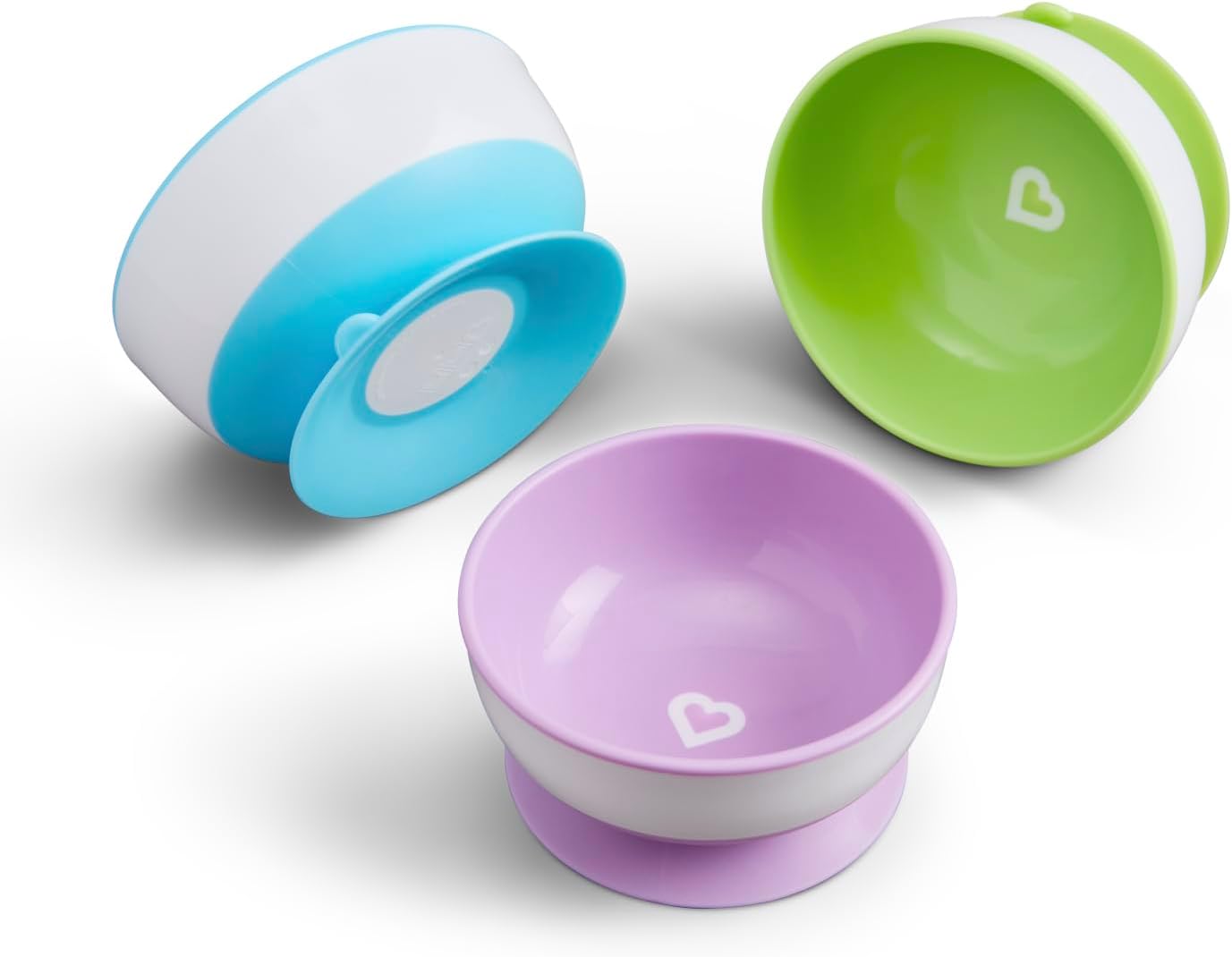
3 different-sized bowls with strong suction bases. Quick-release tabs for adults. Microwave and dishwasher safe, BPA-free. 6+ months.
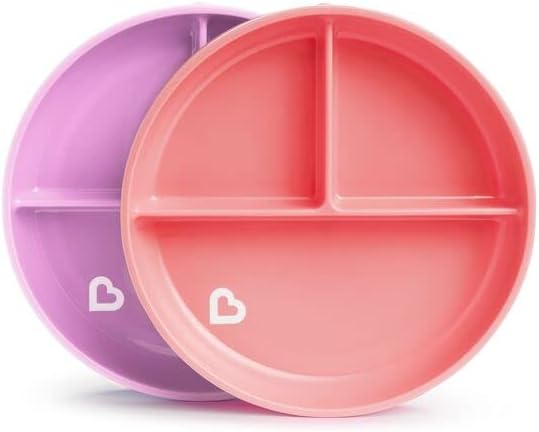
2 suction plates with 3 compartments — keeps protein, veg and carbs separate. BPA-free, microwave and dishwasher safe.
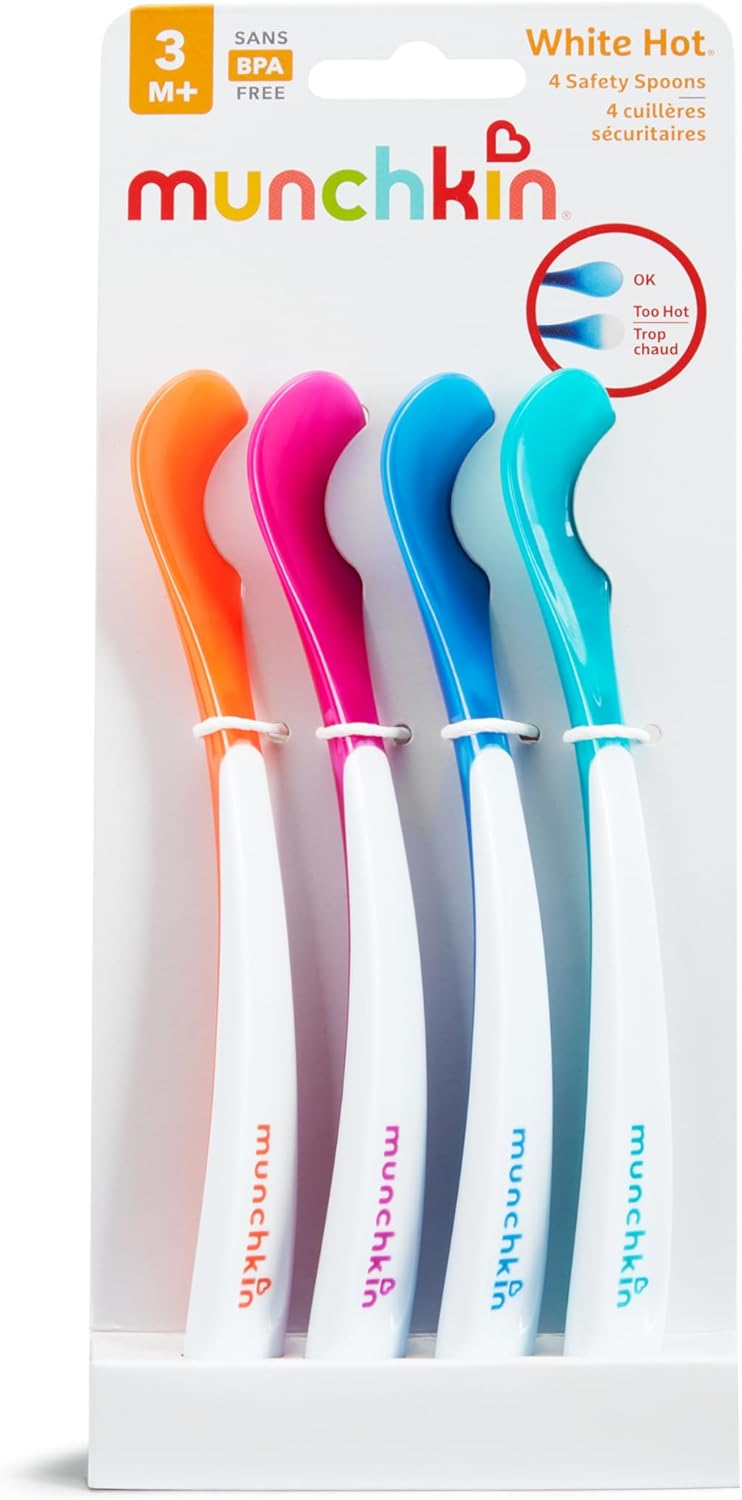
Colour-changing spoons that turn white when food is above 43°C. Soft tips, long handles, BPA-free and dishwasher safe. 3+ months.
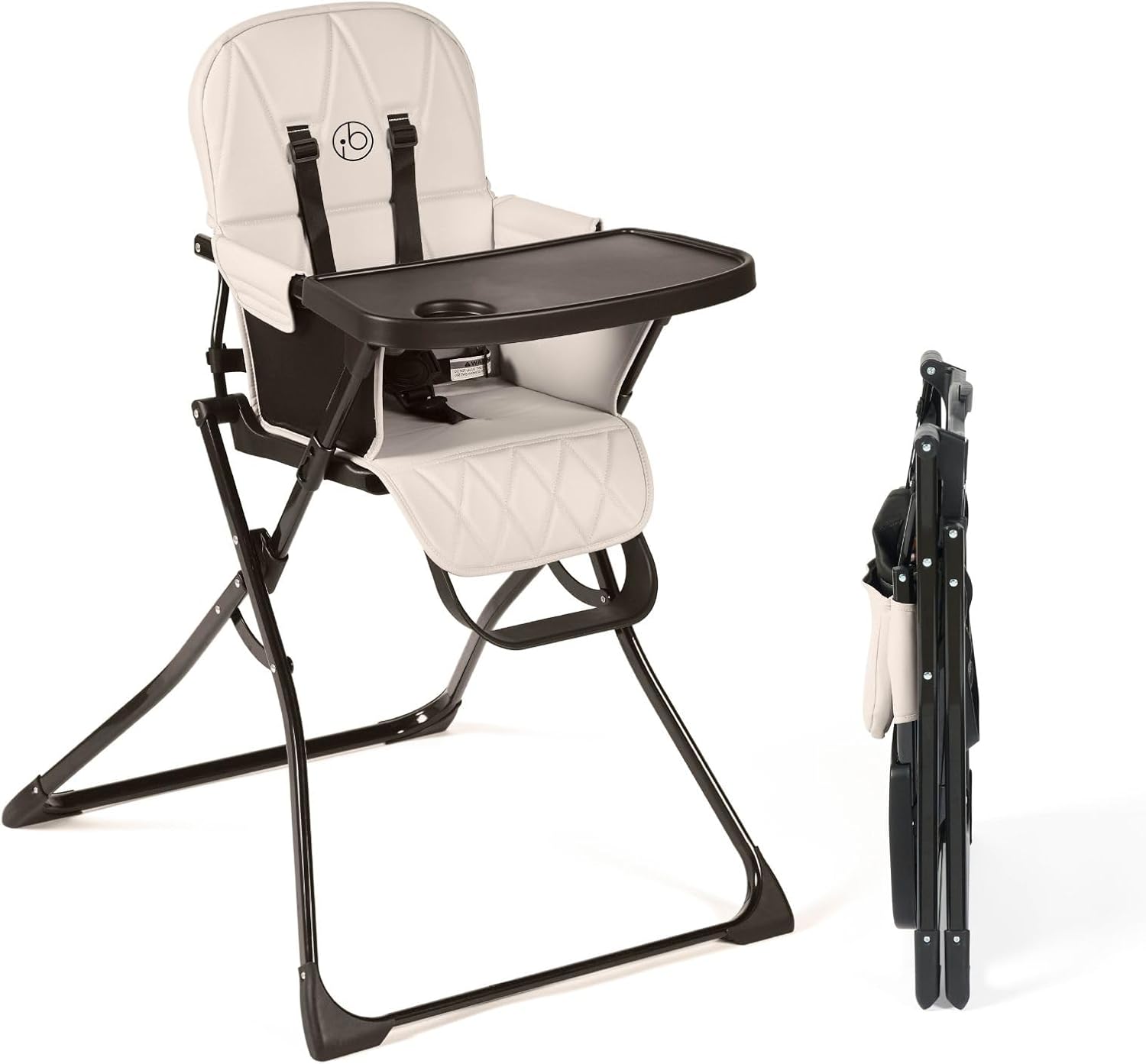
One-hand fold to just 7 cm. Five-point harness, removable easy-clean tray, wipeable seat. Suitable from sitting up to 15 kg.

3-pack with catch-all pockets and full arm coverage. Soft, adjustable, easy-wipe fabric. Fits 6–30 months. Machine washable.
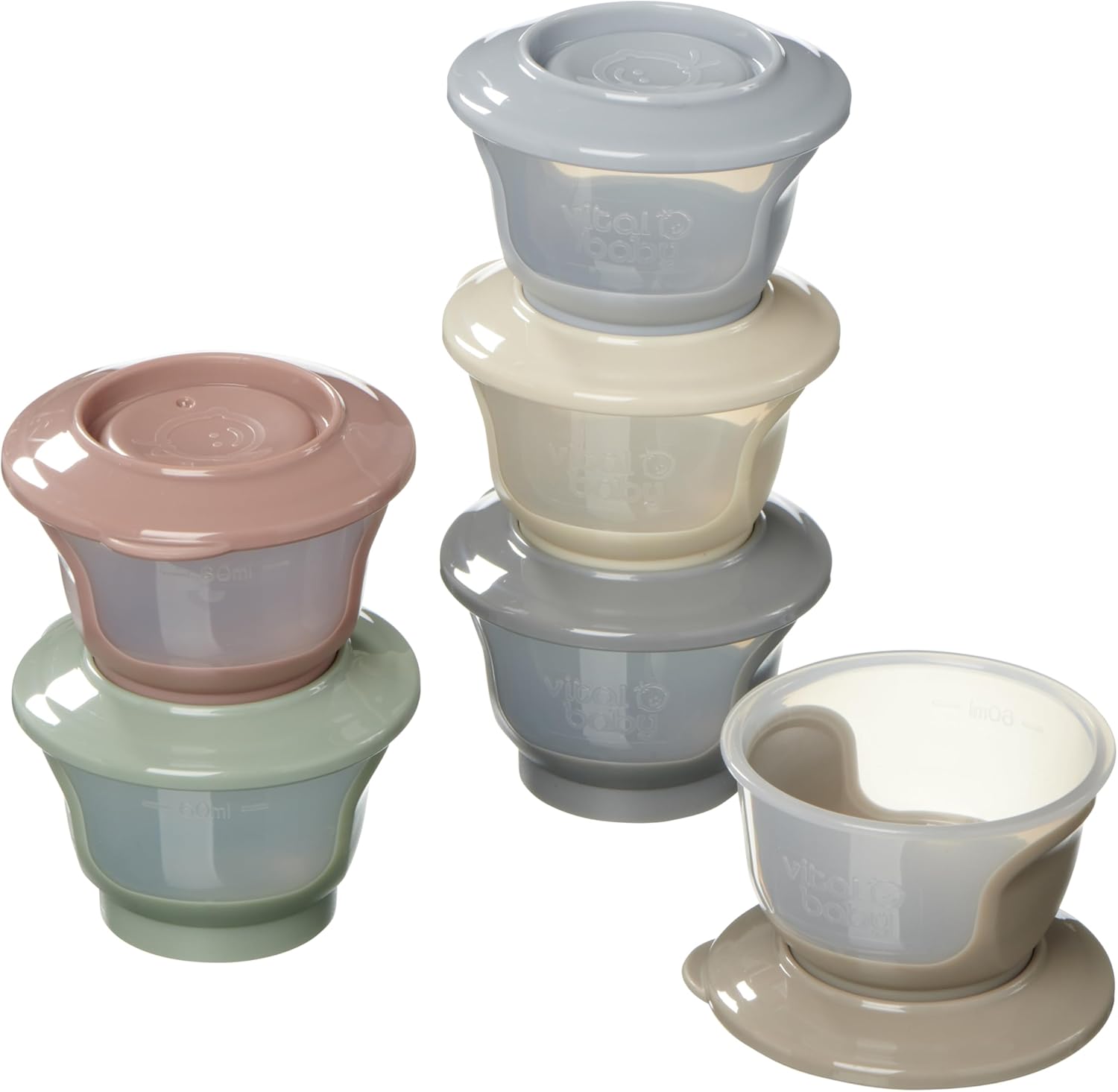
Biodegradable pots with soft bases for easy food release. Leakproof, stackable, microwave and dishwasher safe. 60 ml. BPA-free.
Trusted resources to deepen your knowledge and connect with other BLW families.
Taking an infant CPR and first aid course before starting BLW is strongly recommended. Knowing what to do in an emergency is the single most impactful step you can take. Search for classes at local hospitals, community centres, or with the providers below.
Mini First AidNorth East England provider offering practical, friendly first aid classes specifically designed for parents and carers of young children.
minifirstaid.co.uk →In-person and online infant first aid courses from one of the UK's most trusted first aid organisations.
redcross.org.uk →Courses covering choking response, CPR and caring for an unconscious baby, run across the UK.
sja.org.uk →These three books are the most widely recommended by BLW parents and health professionals. They cover the method from first principles through to practical meal ideas.
BookThe original guide that started the BLW movement. Clear, evidence-based, and reassuring for first-time BLW parents.
amazon.co.uk →Over 130 family-friendly recipes, practical meal planners, and guidance on adapting family food for your baby.
amazon.co.uk →A thorough, evidence-based approach to self-feeding with a strong focus on nutrition and developmental readiness.
amazon.co.uk →Connecting with other BLW parents can make a significant difference — especially on the harder days. Peer support, recipe ideas, and honest experiences are invaluable when you're navigating this alongside professional advice.
Where to find your community FacebookLarge, active communities where parents share meal ideas, troubleshoot challenges and offer daily reassurance.
facebook.com →Daily meal inspiration, real mealtime photos, and BLW accounts run by parents and nutritionists alike.
instagram.com →An honest, moderated community for questions, shared experiences, and evidence-based discussion about BLW.
reddit.com →Online communities are a wonderful source of support, but they don't replace professional medical advice. Always discuss your baby's feeding journey with your health visitor or GP, especially if you have specific health concerns.
Log foods, record reactions, and watch your baby's weaning progress with the Munch Sprouts app — built for UK parents.